
A website can become a source of income by helping people solve problems, compare products, learn skills, or find services they need. But registering a domain and adding advertisements will not automatically create a profitable business.
A sustainable website needs a clear audience, useful content, reliable hosting, and a revenue model that fits its visitors. If you plan to work with advertisers or affiliate partners, their products and business practices will also affect your reputation.
This guide explains how to build that foundation and evaluate potential partners before promoting their offers.

Click to WordPress Web Hositng from $7.47 per month
1. Choose Your Audience and Purpose
Start with a subject you understand or are prepared to research thoroughly. Then identify the people you want to help.
A focused website is easier to plan than a general site that tries to cover everything. For example, a website about starting a small online store has a clearer purpose than one about making money in every possible way.
Before buying anything, answer three questions:
- Who will visit your website?
- What problem will you help them solve?
- What useful product, service, or resource could naturally follow from that help?
Your audience’s needs should guide your content and monetization choices. Advertising opportunities matter, but they should not determine every editorial decision.
2. Choose a Memorable Domain Name
Look for a domain name that is easy to spell, pronounce, and remember. It should fit your subject without preventing you from expanding into related topics later.
A descriptive name can help visitors understand your business, but you do not need to fill it with keywords. Google explains that keywords in a domain name alone have little effect on rankings. See Google’s SEO Starter Guide.
Before registering, check:
- Registration and renewal prices.
- Whether the name could be confused with an existing brand.
- Account security and domain-transfer options.
- Whether the wording works well when spoken aloud.
Start with one primary domain. Buying many similar domains is not a substitute for building a useful website.
3. Choose Hosting That Fits Your Website
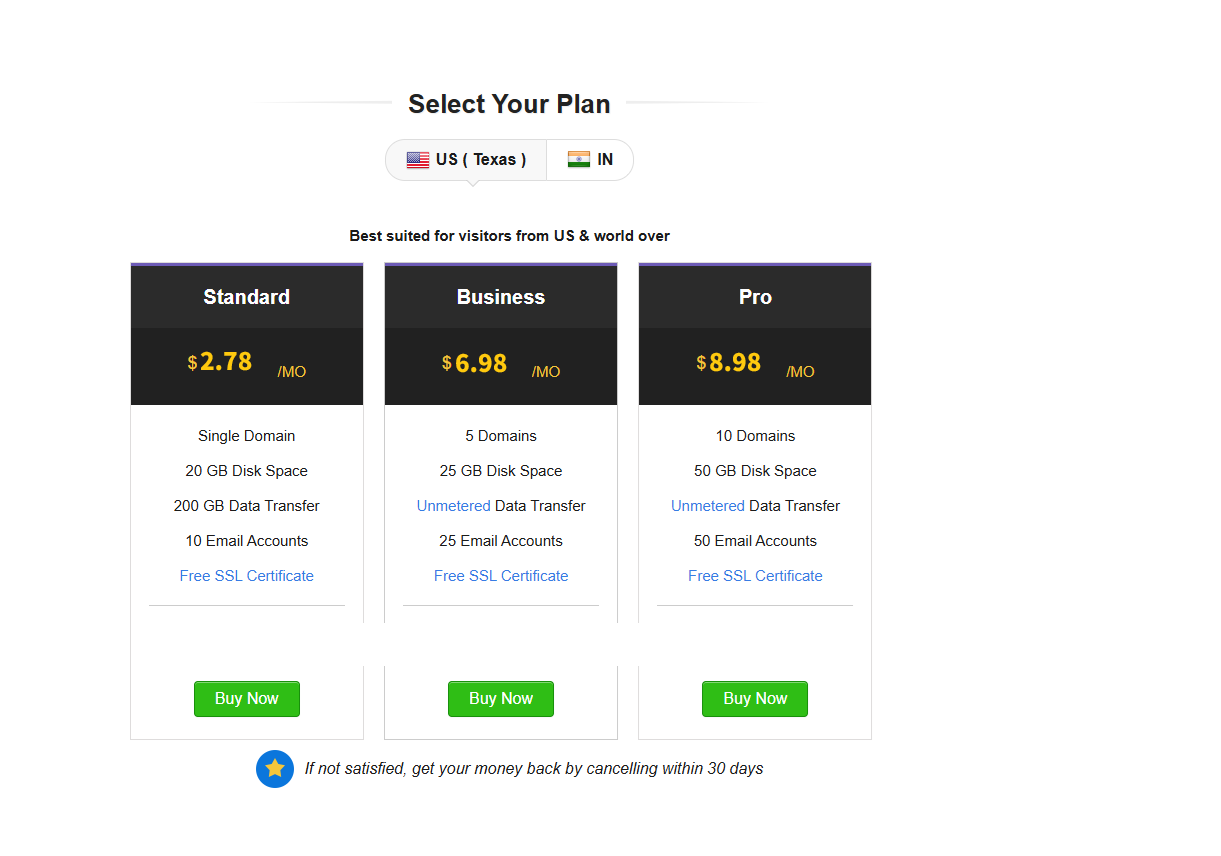
Hosting stores your website’s files and makes them available to visitors. Compare providers on the service you will actually receive, rather than the introductory price alone.
Review renewal costs, backups, restoration options, support availability, SSL certificates, resource limits, and upgrade paths.
Read the conditions behind terms such as “unlimited” and “unmetered.” Ask what limits apply to storage, file counts, processing resources, and acceptable use.
For a new content website, choose a plan that supports your platform and expected workload. Upgrade when your requirements justify it.
4. Build a Website You Can Maintain
WordPress, managed hosting, and website builders offer different ways to create a site. Choose according to the control you need and the maintenance you are comfortable handling.
Before committing, ask whether you can:
- Edit pages without specialist help.
- Create backups and restore the site.
- Add the forms, payments, or membership features you need.
- Move your content elsewhere if necessary.
Begin with a clear home page, an About page, contact information, and a small collection of useful articles or product pages. Add privacy information, commercial disclosures, and sales policies appropriate to your activities.
Test the website on a phone. Visitors should be able to read, navigate, and take the next step without fighting the layout.
5. Publish Content That Helps People Make Decisions
Useful content gives visitors a reason to arrive, stay, and return.
Depending on your subject, that might include tutorials, troubleshooting guides, product comparisons, demonstrations, or answers to common buying questions.
For product reviews, explain what you tested, what worked, what did not, and who the product suits. If you have not used a product, make that clear.
Use descriptive titles, organize related pages, and link to helpful resources. Write naturally instead of repeating keywords. Google’s SEO Starter Guide emphasizes useful content and clear site organization.
Avoid building networks of websites primarily to manufacture backlinks. Google identifies ranking-manipulation practices—including certain paid links, excessive link exchanges, and comment spam—as link spam. Commercial links should be appropriately qualified, usually with rel="sponsored". See Google’s spam policies.
6. Choose a Revenue Model That Fits Your Audience
You do not need to use every monetization method. Start with one you can manage well.
| Revenue model | How it works | What to consider |
|---|---|---|
| Affiliate marketing | Earn commissions on qualifying referrals. | Product quality, attribution rules, and payment terms. |
| Display advertising | Publish advertisements through a network or direct agreement. | Visitor experience and actual revenue after costs. |
| Sponsorships | Receive payment for agreed content or placements. | Audience fit, disclosure, and editorial independence. |
| Digital products | Sell guides, templates, courses, or software. | Original value, support, and updates. |
| Services | Offer consulting, design, training, or other expertise. | Delivery capacity and the time each customer requires. |
| Physical products | Sell goods through your website. | Inventory, shipping, returns, and customer service. |
| Memberships | Charge for continuing access to resources or a community. | The ongoing value members receive. |
| Lead generation | Connect interested prospects with suitable businesses. | Lead quality and clear permission for information sharing. |
An email newsletter can support these models by giving interested readers a reason to return. Offer something useful, explain what subscribers will receive, and make leaving the list straightforward.
7. Understand What Kind of Partner You Need
The word “sponsor” can describe several different arrangements.
An affiliate merchant pays for qualifying referrals. An advertising sponsor pays for exposure or agreed deliverables. A wholesaler supplies products you resell. A distributor program may involve additional sales responsibilities and compensation rules.
These arrangements have different costs and obligations. Evaluate the written agreement rather than assuming that every program offers the same benefits.
8. Evaluate Affiliate Partners Beyond the Commission Rate
A high commission is attractive only if the product is suitable, customers are treated well, and approved commissions are paid.
Use these questions when comparing programs:
| Area | Questions to ask |
|---|---|
| Product quality | Would you recommend it without receiving a commission? |
| Audience fit | Does it solve a problem your readers actually have? |
| Company reputation | Are ownership, support contacts, and customer policies clear? |
| Commission structure | Is payment one-time, recurring, or limited to certain purchases? |
| Attribution | How are referrals recorded, and when does eligibility expire? |
| Payment | What are the payout schedule, threshold, fees, and available methods? |
| Reversals | Can refunds, cancellations, or other events cancel commissions? |
| Promotion rules | Are email, paid advertising, coupons, or brand-keyword bidding restricted? |
| Contract changes | Can rates change, and what happens when the relationship ends? |
Keep copies of the terms you accept and review notices about changes.
Understand Tracking and Repeat Purchases
Cookie-based tracking is not automatically unsuitable for beginners. Its value depends on the offer and the program’s attribution rules.
Do not assume that every program uses a 30-day window or pays for every future purchase. For example, Amazon’s U.S. Associates documentation describes a 24-hour shopping-cart window, with additional conditions affecting eligibility. See Amazon’s explanation.
A recurring commission also has conditions. Check whether it continues only while the customer remains subscribed, whether certain plans qualify, and whether the agreement places a time limit on payments.
9. Assess Distributor Programs Carefully
For a distributor opportunity, calculate the full cost of participation. Include joining fees, required purchases, subscriptions, training, travel, and unsold inventory.
Understand whether compensation depends on customer sales, recruitment, or both. Ask for evidence supporting earnings claims and consider expenses when evaluating those figures.
Trips, bonuses, and testimonials do not establish what a typical participant will earn. The FTC’s guidance on multilevel marketing explains why compensation structures and substantiated earnings claims matter.
Do not assume that a business relationship can be transferred to your children or sold later. Transfer rights must be established in the agreement.
10. Disclose Commercial Relationships Clearly
Readers should understand when you may benefit financially from a recommendation.
For content aimed at U.S. consumers, FTC guidance calls for clear disclosure of material connections that could affect how readers evaluate an endorsement. A disclosure should be easy to notice and understand. See the FTC’s endorsement guidance.
A straightforward affiliate disclosure might say:
“This article contains affiliate links. If you purchase through these links, we may earn a commission.”
Use wording that accurately describes your arrangement. Link attributes for search engines do not replace a disclosure for readers.
11. Measure Results Before Expanding
Track the steps between a visit and an actual payment: inquiries, affiliate clicks, approved sales, refunds, and commissions received.
Compare income with hosting, software, advertising, content production, and customer-service costs. Revenue alone does not show whether the website is profitable.
Start with a focused website, useful content, and one relevant offer. Improve the pages that attract interested visitors, investigate where people lose interest, and expand when your results support the additional work and expense.
12. Improve Your Website’s Visibility with SEO and Content Promotion
Search engine optimization helps search engines understand your website and helps interested readers discover your content. Start by identifying the questions your audience asks and creating pages that answer them clearly.
Research Keywords and Search Intent
Choose a main topic for each page, then consider what visitors want to accomplish. Someone searching for “what is web hosting” needs an explanation, while someone searching for “hosting for an online store” may be comparing services.
Google Keyword Planner can help you explore keyword ideas. It is an online tool within Google Ads, rather than software you need to download. See Google’s Keyword Planner instructions.
Use relevant words naturally in your page title, headings, and content. Avoid repeating a keyword simply to increase its frequency.
Earn Relevant Links
Publish resources that other people have a reason to reference, such as detailed tutorials, original research, useful tools, and practical comparisons.
Do not build networks of websites primarily to link back to your main site. Buying ranking links, exchanging links excessively, and posting automated comments can violate Google’s spam policies. Paid promotional links should be appropriately qualified, usually with rel="sponsored". See Google’s link spam policies.
Promote Your Content Where It Is Useful
Several traditional promotion methods can still serve a purpose when used thoughtfully:
- Blog comments and forums: Answer questions and participate in relevant discussions. Share a link only when it helps and the community permits it.
- Business directories: Choose legitimate directories that customers in your industry actually use.
- Guest articles: Contribute original expertise to publications with a relevant audience.
- Press releases: Announce genuine news rather than distributing articles solely to collect backlinks.
- Social media: Share demonstrations, practical tips, and useful excerpts that encourage interested readers to visit your website.
Measure the visitors, inquiries, and sales these activities generate. A large number of links or profile pages does not necessarily produce meaningful business results.
13. Explore Different Ways to Make Money from Your Website
The right revenue model depends on your audience, content, skills, and available time. Start with a manageable approach before adding more.
Display Advertising
Advertising networks can place ads on your website and share revenue with you. Earnings depend on factors such as traffic, audience location, advertiser demand, and ad performance.
Do not describe all display advertising as pay-per-click. Google’s AdSense for Content documentation explains its impression-based publisher payments. See AdSense revenue information.
Direct Banner Advertising
You can sell advertising space directly to businesses that want to reach your audience. Agree on the placement, duration, price, reporting, and creative requirements before publishing an advertisement.
An engaged specialist audience may interest an advertiser even when the website is relatively small.
Sponsored Articles and Links
Businesses may pay for sponsored content, newsletter placements, or promotional links. Clearly identify the commercial relationship and retain the ability to reject misleading claims.
Sell exposure to your audience rather than promising improvements in a sponsor’s search rankings.
Affiliate Marketing
Affiliate programs pay commissions for qualifying purchases or other approved actions resulting from your referrals.
Compare products based on relevance, quality, commission terms, tracking rules, and customer support. A focused website with useful recommendations can explore affiliate marketing without first becoming a large publication.
Digital Products
Sell original guides, templates, courses, software, or other downloadable resources. Explain what customers receive and provide appropriate support.
If you purchase products for resale, verify that the license permits your intended use. Buying a digital product does not automatically give you permission to redistribute it.
Lead Generation
Help visitors connect with businesses that provide a relevant service. For example, a specialist website might generate quote requests or consultation inquiries.
Agree on what constitutes a qualifying lead, how payment works, and how rejected or duplicate leads are handled. Clearly explain how visitors’ information will be shared.
Email Newsletters
A newsletter helps you maintain a relationship with readers who choose to hear from you. It can support product sales, affiliate recommendations, sponsorships, or paid subscriptions.
Set clear expectations about the content and frequency, and provide an easy way to unsubscribe.
Physical Products
Selling physical goods gives you responsibility for more than the website. Plan for sourcing, payment processing, delivery, returns, and customer service.
If a supplier ships orders for you, investigate its reliability and return procedures before accepting customer payments.
Domain Buying and Selling
Domain trading involves acquiring names and attempting to sell them to interested buyers. A sale is not guaranteed, and renewal fees continue while you hold a domain.
Evaluate comparable completed sales rather than relying on asking prices. Avoid assuming that a low registration cost will translate into a large resale profit.
Website Buying and Selling
You can build a website and later sell it, or acquire an existing site and improve its operations.
Evaluate verifiable revenue, expenses, traffic sources, content ownership, and transferability. Check whether advertising accounts, affiliate relationships, and software licenses can move to a new owner.
Premium Content
Readers may pay for research, tutorials, specialist resources, or regularly updated information that saves them time or helps them complete a task.
You do not need to call yourself an industry expert, but you must deliver a clear reason to subscribe or purchase.
Paid Communities
A paid community can offer structured discussions, feedback, workshops, or access to useful resources. Its value depends on ongoing participation and management.
Before launching, decide what members will receive, how frequently you will contribute, and how moderation will work.
14. Choose a Sustainable Affiliate or Distribution Partner
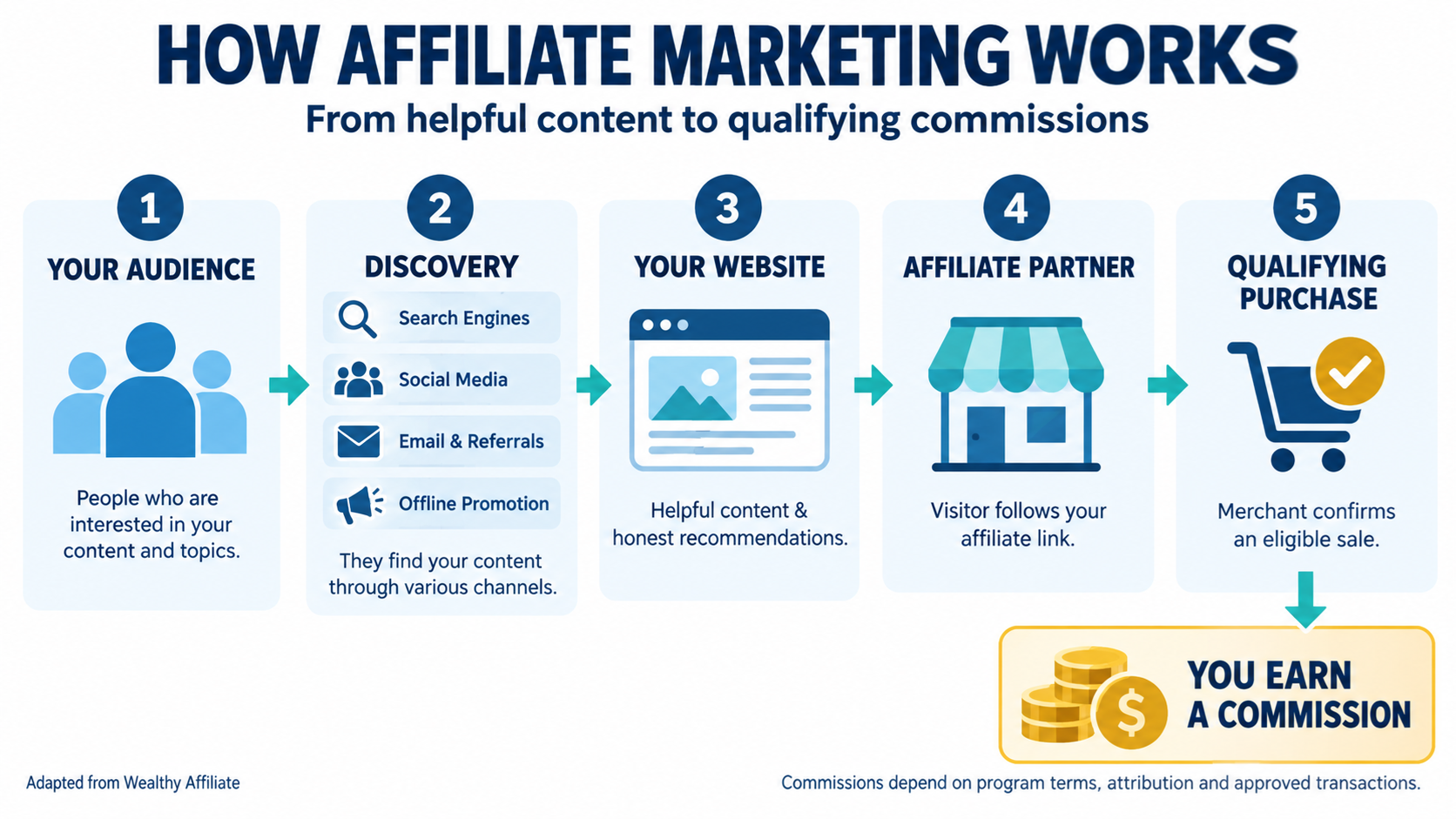
A suitable partner should offer useful products, understandable terms, and a business model you can realistically support.
First, distinguish between the arrangements. An affiliate typically refers customers in exchange for qualifying commissions. A reseller sells products under an agreed commercial arrangement. A distributor may have purchasing commitments, customer-service responsibilities, or additional compensation conditions.
Evaluate the Product and Company
Ask whether the product solves a real problem for your audience. Review its pricing, limitations, customer support, and refund procedures.
Where practical, test the product before recommending it. A large commission does not compensate for a poor customer experience that damages readers’ trust.
Understand Tracking and Commission Rules
Cookie-based tracking is not automatically unsuitable for beginners or professional websites. What matters is how the program attributes referrals and calculates eligible commissions.
Check:
- How long a referral remains eligible.
- Whether another referral can replace yours.
- Which products and customer actions qualify.
- Whether repeat purchases or renewals earn commissions.
- How refunds and cancellations affect payments.
- What happens if the partnership ends.
Do not assume every program uses a 30-day window. For example, Amazon’s U.S. Associates documentation describes a 24-hour shopping-cart window with additional conditions. See Amazon’s commission eligibility explanation.
Review Payments and Contract Terms
Confirm the payment schedule, minimum payout, supported payment methods, fees, and procedures for resolving discrepancies.
For recurring commissions, establish whether payments are time-limited or conditional on an active customer subscription. Keep a copy of the agreement and monitor changes.
Calculate the Full Cost of Participation
Distributor programs may involve joining fees, required purchases, subscriptions, training, travel, or inventory. Include these expenses when evaluating the opportunity.
Assess compensation based on actual customer demand. Recruitment bonuses, paid trips, and testimonials do not establish what a typical participant will earn. The FTC’s multilevel marketing guidance discusses compensation structures and earnings claims.
Check Long-Term Rights
Do not assume you can sell, transfer, or pass the business to a family member. Those rights depend on the contract.
Likewise, a unique referral URL does not guarantee permanent customer attribution. Confirm the terms behind phrases such as “lifetime commission” or “business ownership.”
Protect Your Readers’ Trust
Disclose when you receive payment, free products, or commissions that could influence a recommendation. Place the explanation where readers can notice it before acting on the promotion.
For U.S.-focused endorsements, consult the FTC’s disclosure guidance.
Begin with a limited commitment. Review approved commissions, customer feedback, reversals, expenses, and payments actually received before expanding the relationship.